As a business owner or social media manager, you know that keyword research is essential for successful paid ads. But it’s not enough to just choose any keywords – you need to understand their search intent to maximize your ROI. PPC (pay-per-click) ads are a great way to get your business in front of potential customers, but if you don’t choose the right keywords, you won’t get the desired results.
That’s why it’s important to understand the search intent behind the keywords you choose for your ads. By understanding the search intent, you can ensure that the right people see your ads and that your CTR (click-through rate) is as high as possible. With the right keyword research and understanding of search intent, you can ensure your PPC ads succeed.
What Is Keyword Research?
Keyword research is an essential part of any successful paid ad campaign. It is finding the right keywords to target to reach the right audience and maximize your return on investment (ROI). By understanding the search intent behind your chosen keywords, you can ensure that the right people see your ads and that your click-through rate (CTR) is as high as possible.
Why Is Keyword Research Important?
For business owners and social media managers, keyword research is critical in creating effective paid ads. It helps you identify the best keywords to target and understand the search intent behind them. By doing the research, you can ensure that your ads are seen by the right people and that your ROI is maximized.
Understanding Search Intent For Keywords
Keyword research is essential for paid ad success. As a business owner or social media manager, understanding the search intent behind your chosen keywords is key to maximizing your ROI and CTR. The goal of keyword research is to identify the words and phrases your target audience uses to search for products and services like yours.
Once you have identified the right keywords, you can use them in your PPC campaigns to ensure that the right people see your ads. By understanding the search intent behind the keywords, you can create ads that are more likely to be clicked on and convert into sales.
What Is Search Intent?
Google categorizes search intent into four main types: informational, navigational, commercial investigation, and transactional. Understanding these categories can help you optimize your keywords and PPC ads to effectively reach your target audience.
Informational Intent
This is when users seek answers or more information about a particular topic, question, or problem. They aren’t necessarily looking to purchase yet but are in the beginning stages of the buyer’s journey. These searches often begin with “how to,” “what is,” or “why does.”
Navigational Intent
In these instances, users already know the website or brand they want to visit and are using Google to get there. For example, a search for “Facebook login” indicates navigational intent. Ads may not be as effective here as the user already has a specific destination.
Commercial Investigation Intent
Here, users consider a purchase and compare different products or services. They might be looking for the best option, reading reviews, or trying to find the most affordable choice. These searches often include terms like “best,” “compare,” “top,” or “review.”
Transactional Intent
This is the final stage, where the user intends to purchase or complete another transaction. Searches might include specific product names or be accompanied by terms like “buy,” “order,” or “price.” Transactional intent searches present the best conversion opportunity for your PPC ads.
Mind Your Business Newsletter
Business news shouldn’t put you to sleep. Each week, we deliver the stories you actually need to know—served with a fresh, lively twist that keeps you on your toes. Stay informed, stay relevant, and see how industry insights can propel your bottom line.
Subscribe to Mind Your Business
Why Is It Important To Know The Search Intent?
Understanding search intent is crucial for any business or brand manager as it enables you to tailor your keywords and ad content to match what your potential customers are looking for.
By knowing if a user is seeking information, navigating to a specific site, comparing products for potential purchase, or being ready to buy, you can align your ad strategy to meet these needs. This leads to more effective PPC campaigns, higher click-through rates, and an increased return on your advertising investment.

What Are Google Ads?
Google Ads is an online advertising platform developed by Google. It allows advertisers to display their ads, product listings, or video content to web users searching on Google. These ads can appear on Google Search results pages, YouTube, and other sites across the web in the Google Display Network.
Advertisers bid on specific keywords that users might use in their search queries, and their ads are served to users based on these keywords, their location, and various other factors.
Why Are Google Ads Important For My Business?
Google Ads can be a highly effective way to drive targeted website traffic. As the most widely used search engine, Google provides access to an immense audience. Furthermore, Google Ads allows you to target your ads to users searching for products or services like yours.
This increases the likelihood that users who click on your ads will be interested in what you have to offer and more likely to make a purchase. It can also provide valuable insights into user behavior, which can help you refine your marketing strategy over time.
How Do Keywords Play A Part In Google Ads?
Keywords play a crucial role in Google Ads. When users enter a query into Google, the search engine looks at the advertiser’s keyword list to determine which ads are most relevant to the user’s search. If your keywords align with the user’s query, your ad can be shown to them.
The more relevant your keywords are to your target audience’s searches, the more likely your ad is to be shown and clicked on. Therefore, conducting thorough keyword research and understanding search intent is fundamental to running effective Google Ads campaigns.

How Do I Choose The Right Keywords For My Ads?
Choosing the right keywords for your ads involves understanding your target audience’s needs and search behaviors and aligning those insights with your business offerings. Here is a step-by-step strategy to help you select effective keywords for your Google Ads campaigns:
- Identify Your Target Audience: Understand who your potential customers are, their interests, needs, and the language they use.
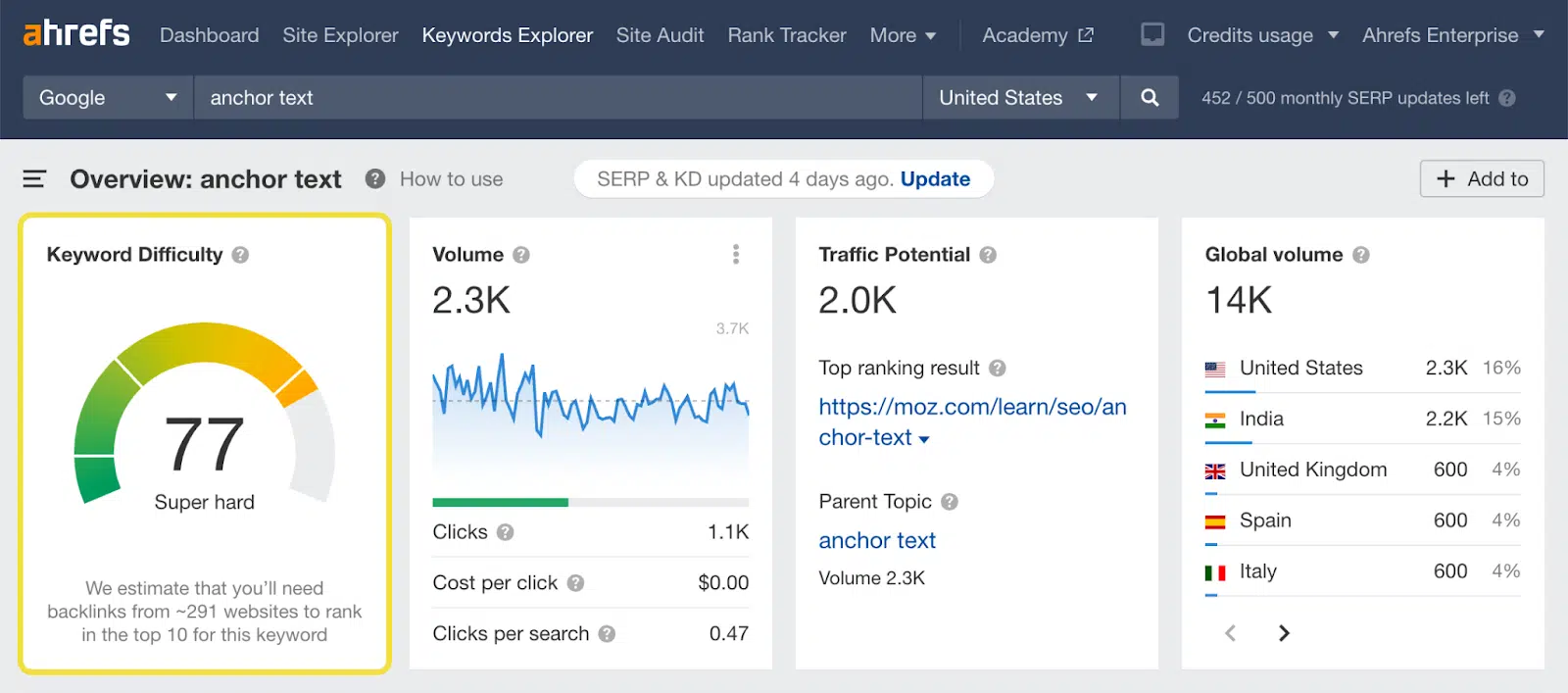
- Do Keyword Research: Tools like Google Keyword Planner, SEMRush, and Ubersuggest can help you determine what keywords your target audience uses to find similar products or services.
- Analyze Competitor Keywords: Look at the keywords your competitors are targeting in their campaigns. This can help you generate new keyword ideas and better understand the competitive landscape.
- Consider Search Intent: As mentioned earlier, the intent behind the search query can be informational, navigational, commercial investigation, or transactional. Choose keywords that align with the stage of the buyer’s journey that the searcher is likely in.
- Include Long-tail Keywords: Long-tail keywords are more specific and less competitive than short, broad terms. They can help you target niche segments of your audience and increase your ad’s relevance.
- Review and Refine: Your chosen keywords should be reviewed and refined periodically based on their performance and changes in consumer behavior or market trends.
Remember, the goal is to select the keywords your potential customers use when they are most likely to be interested in your products or services. This will increase the chance that your ads are shown to the right people at the right time, maximizing your ad spend and boosting your return on investment.
Conclusion
In conclusion, keyword research is essential to any successful paid ad campaign. By understanding the search intent of keywords, you can choose the right ones for your ads and maximize your ROI. Additionally, following the tips outlined in this article, you can improve your CTR and get the most out of your paid ad campaigns.