Email marketing agency for small business
Your list already bought once. Ask them again.
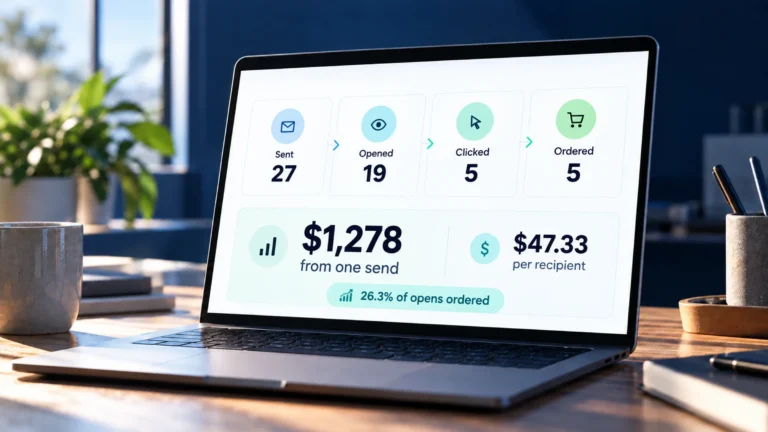
Your list already trusts you. Email marketing for small business, counted in orders. One shop’s first send in two years: 70% opened, five orders, $1,278.
An open is not a result. An order is.
One shop had not emailed in two years. A note to her thirty best customers brought five orders. That month, email was 58% of revenue.
My list has been sitting there for years
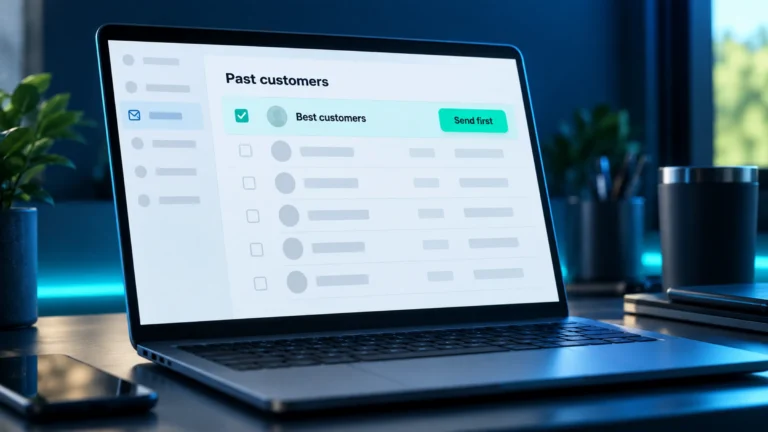
More addresses go stale every month. Blast them all and you land in spam. Wake the best customers first.

The newsletter goes out and nothing happens
One email to everyone gives nobody a reason to act. Sends that sell target one group with one reason.

Quotes go out and go quiet
Silence loses more work than competitors do. Automatic follow-up at three, seven and fourteen days is your cheapest rep.
Find out what your list is worth before you send a word.
Six answers about your list. The check shows how many contacts still land and who to write to first.
See what your idle list is worth, before anything is sent.
Name and email, then six answers about your list and sales. Three numbers show here. The wave plan goes to your inbox.
- Reachablehow many of your contacts still land after this much silence
- First wavewho to email first, and how many of them there are
- First monththe orders and the dollars a first month of sends should produce
What the data said, what changed, and what happened.
Email marketing is not sending. It is reading who bought and when, deciding who hears next, and reading the orders. Two decisions from real accounts.
Hemplily, online shop
What the data saidKlaviyo and WooCommerce, past buyers, nothing sent in two years. Thirty customers had spent far more than the rest.
What changedFive waves by buying history, not one blast. Best customers first, with the owner’s note. Coldest last, checked first.
What happenedFirst note: 70% opened, five orders, $1,278. Second send, three days later: seven orders, $1,481 in four days.

Belk Appraisal Services, Roswell
What the data saidA 35-year appraisal business, referrals only, no outbound. Three hundred lenders, attorneys and agents it most wanted.
What changedNo newsletter. A LinkedIn API sequence to those three hundred, in his voice, followed up by an AI service.
What happenedA sequence to 300 named targets in his voice. Replies land in his inbox.
Your list has a decision in it too.
Tell us where the list lives and how big it is. Same business day, we name who hears first.

A list that had not been emailed in two years, read from the account.
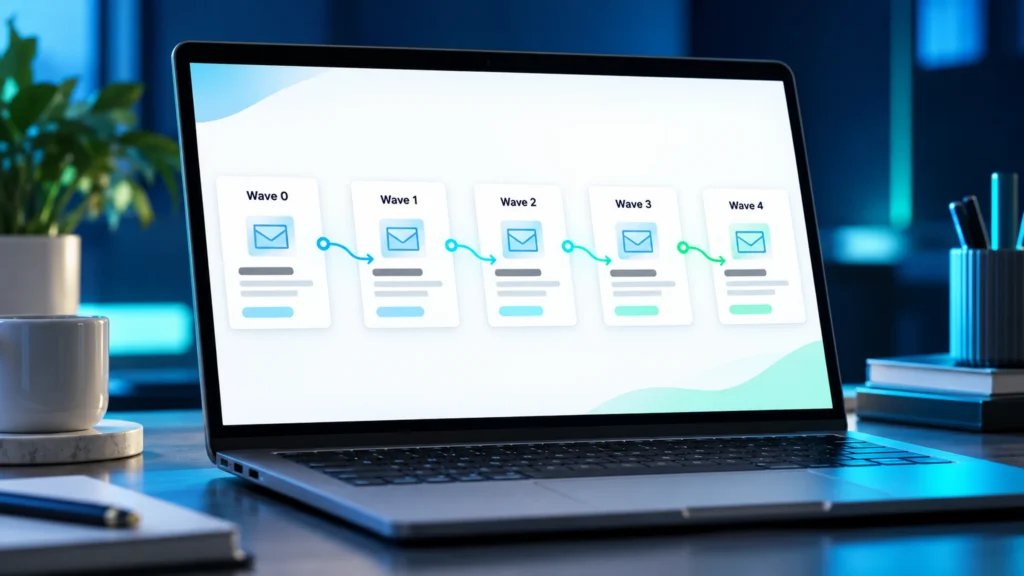
Your list is five lists. The order decides the first week.
One email to all five on day one gets your domain blocked. In the right order, the first wave pays for the rest.
Email and SMS marketing, with the automated flows that keep selling.
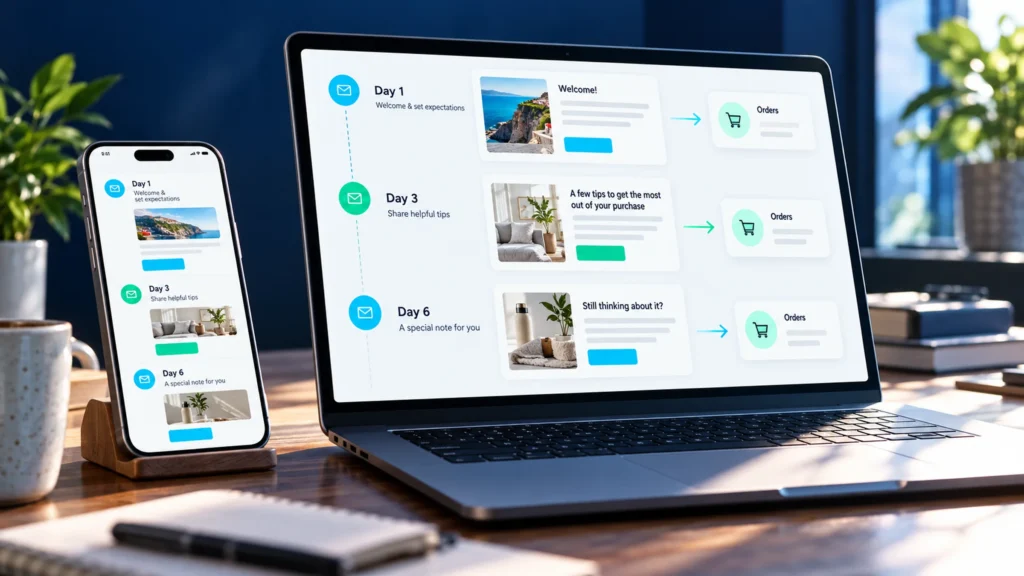
Campaigns are the sends you see. Automated flows are the ones that keep earning after you stop thinking about them. These are the flows we build and run for shops and service businesses.
Welcome series
A new subscriber hears who you are, why to buy and a reason to buy now, over their first week on the list.
Abandoned cart and browse abandonment
Ecommerce flows that follow a left cart or a viewed product with a reminder, then a reason, then an offer only if it is needed.
Post-purchase and reviews
A thank-you, how to get the most from the order, and a review request at the right time. Retention starts the day after the sale.
Win-back
Customers who have not ordered in a while get a note in your voice before they forget you. That is where customer lifetime value is won or lost.
SMS where it fits
Text messages for carts, shipping and time-limited offers, on platforms like Klaviyo that send both, with consent handled properly.
Segmentation and deliverability
Lists split by what people bought and when, addresses validated, and your sending domain authenticated, so email lands in the inbox, not spam.
The loop every account runs on, every month.
The loop is the work. Same four steps for ten thousand buyers or four hundred quotes. Here, step three changes segment, timing and offer.
Read what booked, not what got clicked
Orders placed and revenue per recipient, by wave and by automation. Not the open rate.
What we need from you
Nothing new from you
The access from the first step covers it. You get the report.
Decide the one or two changes the data points at
Chosen because the numbers point at them, not because the calendar says it is time to do something.
What we need from you
Five minutes to say yes or no
Nothing changes in your account without your OK. Each change comes with the reason and what it should do.
Change the sequence
The segment, the days between emails, the subject and the one thing each group is told. Approved by you, scheduled.
What we need from you
Your approval
The change is made once you have seen it. Nothing goes live without you.
Measure the one number
Revenue per recipient for a shop; quotes answered or appointments booked for a service business.
What we need from you
Nothing new from you
The number comes from the tracking already in place. You read it in the report.
Your monthly report answers four questions, in one page.
Most agencies screenshot the platform dashboard. This report reads in numbers you can run the business on. It ends with what changes next month.
What it produced
Orders, quotes answered or appointments booked that started with an email, against last month, and email’s share of revenue.
What it cost
The platform fee, the management, and revenue per recipient, so you know what one more send is worth.
What sold
Which wave, automation, subject line and offer produced the orders, so next month leans into them.
What changes
Who gets written to, what they are told, which automation gets its second email, and why.
A report you can run the business on, not a dashboard screenshot.
If your report cannot answer these four, send it. We will show you the same month written this way.
What email marketing costs, by how much the list has to do.
A rebuild wakes the list. A monthly plan keeps it earning. The market runs $500 to $2,000 a month. These sit at the owner-run end.
Best for: a list that has not been sent to in a year or more.
Best for: a shop or practice that needs the list to hear from it every month.
Best for: a business where email should carry a real share of the revenue.
Best for: a large list, several product lines, a calendar that changes weekly.
Paying a platform every month for a list nobody sends to?
Send the platform invoice and your last send date. Same business day, we say what the list should produce.
What owners ask before they hand over their list
How much does email marketing cost for a small business?
A one-off list rebuild at $1,250 wakes a dormant list up in five waves. Then Starter at $499 a month for four campaigns with the core automations kept running, Growth at $899 for eight campaigns by segment with abandoned cart, win-back and quote follow-up built, or Scale at $1,499 for twelve campaigns, every automation and text messages. The platform’s fee is separate: free up to 500 contacts on most, $45 to $100 a month for a few thousand.
Do I have to move to a new platform?
No. The work is done in the account you already have, Klaviyo, Mailchimp, Constant Contact, Shopify Email or Kit, and you keep everything if we part. Starting from a spreadsheet, or a platform that fights you? Kit is the one we move people to: the simplest to run and the clearest to read. Migration is part of the rebuild, not an extra.
My list is old. Is it worth anything?
Almost always. A year of silence loses about a fifth of the addresses; two years, about half. The rest bought from you once and have not been asked again. The shop above was silent two years and made seven sales in four days. The risk is not a dead list; it is sending to all of it at once. Run the check above and it puts a number on yours.
Will my emails land in spam?
Not if the order is right. Spam is what happens when a dormant list is blasted on day one and the dead addresses bounce. The people who open go first and build the reputation the later waves ride on; the cold addresses are validated before a word goes to them. The sending domain is authenticated once, a twenty-minute job most accounts have never had done.
What is email automation, and do I need it?
An email that sends itself when something happens: a sign-up, a purchase, a left cart, a quote, ninety days without an order. Written once, it runs on its own, and after the first month it is usually most of what email earns. A shop needs welcome, after purchase, abandoned cart and win-back. A service business needs one above all: the quote follow-up, because silence after a quote is where the work goes.
How long before email brings in orders?
The first wave goes out inside the first week, and that is usually the first order. The rebuild runs three weeks; the automations take a month to show their pattern. From month two the report reads in revenue per recipient, the number that says what the next send is worth before it goes. The same shape runs outside email too: workflow automation for small businesses sends the invoice, the reminder and the quote follow-up on their own.
Can you reach people who are not on my list?
For a business that sells to other businesses, yes: a sequence to a named list of the lenders, agents or firms you most want, through LinkedIn or email, in your voice, followed up in order. It is quoted on its own. Email to strangers who never gave you an address is not something we will send from your domain; it costs you the list you already have.
Do you work with businesses outside Roswell?
Yes. Email runs on your platform wherever you are; most clients happen to be in Roswell and metro Atlanta, and they get a Roswell marketing agency that answers the phone. The list is one of four channels a digital marketing agency runs here, and the sequences carry the same offer as your Google Ads landing pages.
Is an email marketing agency worth it?
When there is a list to work with, usually, because everyone on it already bought from you once. If the list is small or old, start with the one-off rebuild and let its first waves decide whether a monthly plan pays for itself.

Every month your list sits idle, a few more of them forget you.
Send us where the list lives and roughly how many contacts are on it. Within two business days you get how many of them still land, who should hear from you first, what a first month would produce, and the price in writing.
Email marketing from Roswell, GA, serving Atlanta, Alpharetta, Sandy Springs, Johns Creek, Milton and Marietta, on your platform wherever you are.