Google Ads is one of the most potent weapons in a strategist’s arsenal. It offers various types of Google Ads campaigns to meet diverse marketing needs. Businesses worldwide will spend an estimated $60 billion on Google Ads in 2023, showcasing its effectiveness in reaching target audiences and driving results. Mastering Google’s expansive suite of advertising tools can make the difference between a campaign that sizzles or fizzles.
Understanding the correct application for your marketing goals is crucial, especially with many different Google Ads campaign types available. This guide will break down each type of Google Ads campaign, explain how they work, and help you decide which is best suited for your business. Whether you’re a seasoned marketer or new to Google Ads, this comprehensive overview will provide the insights you need to optimize your advertising strategy.
What are Google Ads?
Google Ads is an online advertising platform where businesses pay to display ads across Google’s vast search network. These ads can appear on Google search results, websites, videos, and apps. Google Ads uses a bidding system where advertisers bid on relevant keywords to their products or services. The goal is to target users actively searching for what you offer or to reach new audiences as they browse online.
Understanding Google Ads Campaign Types
Several types of Google Ads campaigns are designed to achieve different marketing objectives. Understanding the unique features of each campaign type can help you make an informed decision on how to allocate your advertising budget effectively.
If you are looking to run Google ads, we suggest you visit our PPC Management Services to see how we can help you.
Search Campaigns
Search campaigns are one of the most common Google Ads campaign types. These text-based ads appear on Google search results when someone searches for keywords related to your business. Search ads are ideal for capturing high-intent traffic, such as users looking for specific products or services.
- How They Work: In search campaigns, you bid on keywords, and your ads appear when users search for those terms.
- Ad Formats:
- Responsive Search Ads: Automatically adjust based on user queries by mixing and matching multiple headlines and descriptions.
- Call Ads: Encourage users to call your business directly from the ad.
- Dynamic Search Ads: Automatically generate ads based on the content of your website.
- Pros: These ads are great for high-intent targeting and measurable performance
- Cons: They can be competitive and require constant keyword management and are very expensive.
Display Campaigns
Display campaigns are another popular Google Ads campaign type focusing on visual ads across the Google Display Network, including millions of websites and apps. These ads are best for businesses aiming to increase brand awareness and reach a broad audience.
- How They Work: Display campaigns target specific placements, audiences, or topics relevant to your business instead of targeting keywords.
- Ad Formats:
- Single Image Ads: Static image ads that promote your business visually.
- Responsive Display Ads: Automatically adjust size, appearance, and format to fit available ad spaces.
- Pros & Cons: They offer a wide reach and visually appealing formats but typically attract lower user intent and are best used alongside other campaign types.
Video Campaigns
Video campaigns leverage the power of video content to engage audiences on YouTube and across the Google Display Network. These ads are perfect for businesses looking to tell a story or demonstrate a product visually.
- How They Work: Video campaigns involve bidding to have your video ads appear in specific placements and reach specific audiences.
- Ad Formats:
- Skippable In-Stream Ads: Viewers can skip these ads after 5 seconds.
- Non-Skippable In-Stream Ads: Viewers must watch the entire ad, typically up to 15 seconds.
- In-Feed Video Ads: Appear alongside related YouTube videos or in YouTube search results.
- Bumper Ads: Short, non-skippable ads up to 6 seconds.
- Outstream Ads: Mobile-only video ads that play outside of YouTube.
- Masthead Ads: Premium ads at the top of the YouTube homepage.
- Pros & Cons: Video ads are highly engaging and versatile but can be expensive to produce and require compelling content to capture attention.
Shopping Campaigns
Shopping campaigns are essential for e-commerce businesses looking to showcase their products directly on Google search results. These visually appealing ads display product images, prices, and store information, making them ideal for driving online and local sales.
- How They Work: Shopping campaigns are integrated with Google Merchant Center, which use the product feeds to display ads.
- Ad Formats:
- Product Shopping Ads: Show individual products directly in search results.
- Local Inventory Ads: Highlight products available in nearby stores.
- Pros & Cons: These ads have high purchase intent and provide detailed product information, but they require continuous feed maintenance and are dependent on Google’s display algorithm.
Smart Campaigns (PMax)
Smart campaigns are fully automated Google Ads campaigns designed to simplify ad management. These are ideal for small businesses or those with limited time to manage ads, as Google automates the ad creation and placement process based on your business goals.
Mind Your Business Newsletter
Business news shouldn’t put you to sleep. Each week, we deliver the stories you actually need to know—served with a fresh, lively twist that keeps you on your toes. Stay informed, stay relevant, and see how industry insights can propel your bottom line.
Subscribe to Mind Your Business
- How They Work: In smart campaigns, Google manages everything from ad creation to placement, using the information you provide about your business.
- Ad Formats: Can serve both search and display ads.
- Pros & Cons: They are easy to set up and require minimal effort, but the lack of control over targeting and placements can sometimes result in less effective campaigns.
Performance Max Campaigns
Performance Max campaigns are a goal-based, fully automated Google Ads campaign type that runs across all of Google’s networks. These campaigns use machine learning to optimize for the best performance based on your objectives, making them ideal for businesses with specific conversion goals.
- How They Work: Performance Max campaigns optimize all Google networks using smart bidding strategies.
- Ad Formats: Utilizes a variety of ad types and formats across Google’s platforms.
- Pros & Cons: They offer extensive reach and smart bidding strategies, but they require a significant amount of data for optimization and are more complex for beginners.
App Campaigns
App campaigns are tailored for businesses looking to drive app downloads and engagement. These campaigns are perfect for promoting mobile apps and are automated to simplify ad creation and optimization.
- How They Work: App campaigns create ads automatically using text and images from your app store listing.
- Ad Formats:
- App Installs: Focus on acquiring new app users.
- App Engagement: Encourage existing users to engage with specific app features.
- App Pre-Registration: Build interest before your app’s launch.
- Pros & Cons: They provide broad reach across Google’s platforms but offer limited creative control and depend heavily on machine learning.
Discovery Campaigns
Discovery campaigns are automated ads designed to increase the visibility of your products or services across Google’s feed placements. These ads are great for businesses aiming to enhance brand awareness and reach new audiences.
- How They Work: Discovery campaigns use Google’s automation to manage ad placement and optimization across Gmail, YouTube, and the Google app.
- Ad Formats: Includes text, image, and video ads.
- Pros & Cons: They offer extensive reach and visually rich ads but come with high costs and less control over placements.
Local Campaigns
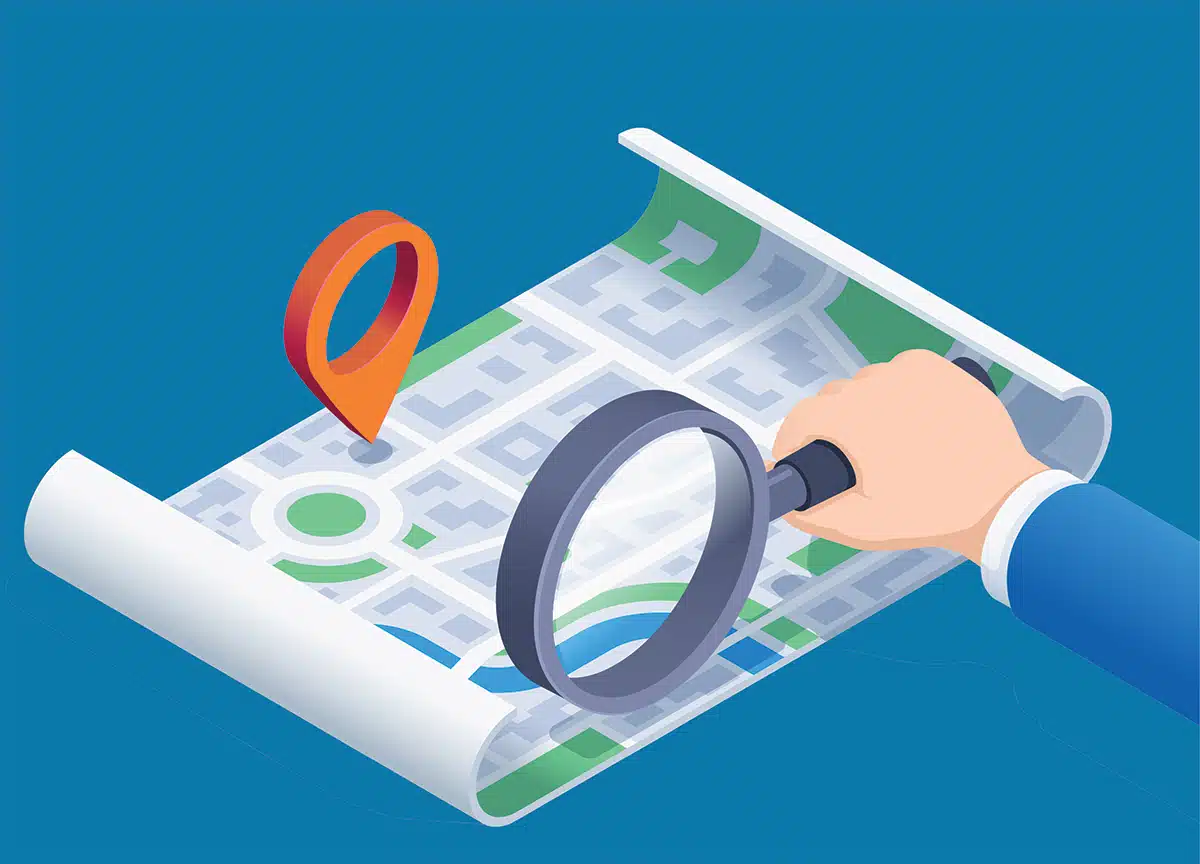
Local campaigns are focused on driving traffic to physical store locations. These ads are ideal for local businesses aiming to increase in-store visits and are integrated with your Google Business Profile to promote your store across multiple Google platforms.
- How They Work: Local campaigns use location-based targeting to optimize ads across Google Maps, Search, YouTube, and more.
- Ad Formats: Various formats optimized for local visibility.
- Pros & Cons: They are effective in boosting foot traffic and are easy to manage, but they offer limited customization and are not suitable for businesses without a physical location.
Local Services Ads
Local Services Ads are a unique Google Ads campaign type focused on promoting local services directly in Google Search. These ads are designed for lead generation and are best for service-based businesses like plumbers, locksmiths, or real estate agents.
- How They Work: Local Services Ads require businesses to be verified by Google, and ads show up with a green checkmark to add credibility.
- Ad Formats: Pay-per-lead ads with contact options.
- Pros & Cons: They have top placement on SERP and pay-per-lead pricing, but require a verification process and are limited to specific industries.
How to Choose the Right Google Ads Campaign Type
Choosing the right Google Ads campaign type depends on your business goals, target audience, and budget. Start by defining your objectives: are you looking to increase brand awareness, drive sales, or generate leads? Then, consider your audience’s online behavior and how much you are willing to invest in ad management and production.
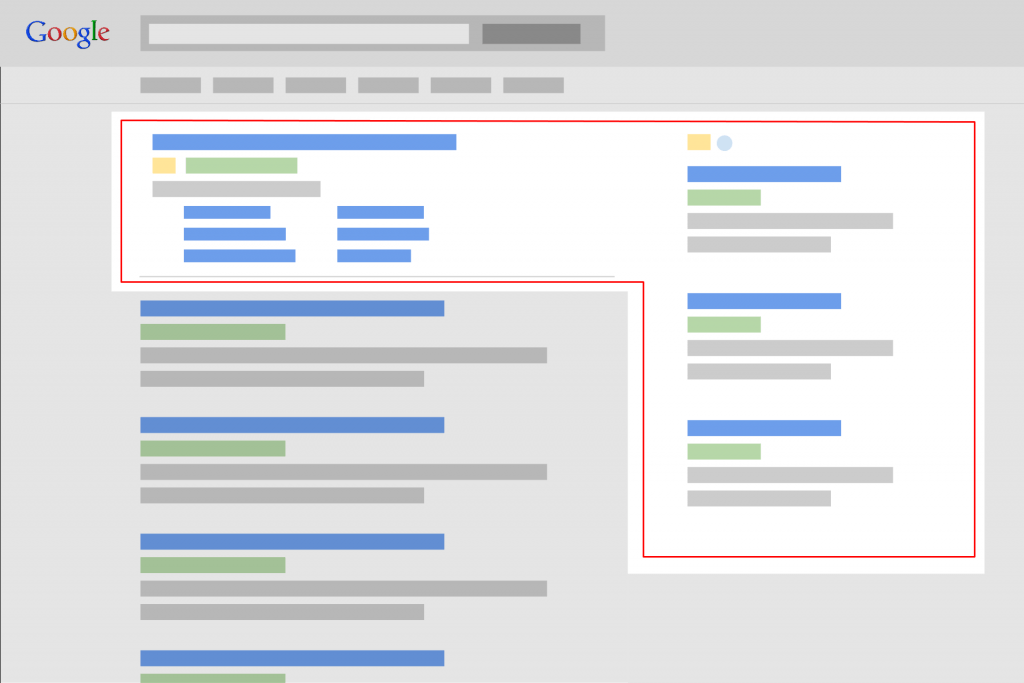
Best Practices for Google Ads Campaigns
To maximize the effectiveness of your Google Ads campaigns, it’s essential to regularly optimize your ads based on performance data. Use ad extensions to provide additional information and attract more clicks, and leverage Google Ads analytics to refine your strategy and improve results continuously.
Wrapping Up
Understanding the different types of Google Ads campaigns is essential for creating an effective online advertising strategy. Whether you’re looking to boost brand awareness, drive sales, or generate leads, choosing the right Google Ads campaign type can make all the difference. However, navigating the complexities of Google Ads can be challenging, especially with the constant changes in digital marketing.
That’s where our expertise comes in. At The Good Fellas Agency, we specialize in SEO services and PPC management, helping businesses like yours optimize their online presence and maximize return on investment. Our team of experts will work with you to create tailored strategies that align with your business goals and deliver measurable results.
Ready to take your digital advertising to the next level? Contact us today to learn how our SEO services and PPC management can help you achieve your marketing objectives and grow your business.