In today’s competitive business landscape, understanding your competition is not just a strategic advantage—it’s a necessity. A recent study from Statista indicated that 64% of senior marketers actively use competitor insights to fuel their marketing strategies. This highlights the imperative role of competitor analysis in outsmarting rivals and capturing market share. For small business owners like Samantha Taylor, who juggle multiple responsibilities, grasping the intricacies of competitor analysis can streamline marketing efforts and unlock new avenues for growth.
This comprehensive guide will walk you through the fundamentals of competitor analysis, its significance, and the steps to execute it effectively. We’ll explore various types, tools, and techniques, along with real-life case studies and templates designed to enhance your digital marketing strategies, with a special focus on successful startups and small businesses like yours.
What is Competitor Analysis?
A Competitor analysis is the practice of systematically reviewing your industry landscape and pinpointing business strategies that give your competitors an edge. By scrutinizing their strengths and weaknesses, you gain vital insights into what makes them tick and, crucially, how you can do it better.
Understanding Your Industry
To conduct an effective competitor analysis, it is paramount to understand your industry thoroughly. This involves recognizing the major players, growth trends, and innovative practices that define your business environment. Regularly updating your knowledge base ensures you stay competitive and informed, which is critical for making informed business decisions.
Identifying Your Direct Competitors
Direct competitors offer the same or similar products/services as your business. Identifying these players requires thorough market research and an understanding of customer preferences. This strategic step lays the groundwork for more insightful competitor assessments and helps in tailoring your marketing tactics to differentiate your offerings.

Why is Competitor Analysis Important?
Conducting a competitor analysis is vital for businesses seeking to gain a competitive edge—and here’s why.
Gaining Competitive Edge
Analyzing competitors helps you distinguish your unique offerings and refine your value proposition. It empowers you with a comprehensive view of industry dynamics and enables you to anticipate market shifts and respond strategically. Businesses like local shops or small service providers can leverage these insights to better align their strategies with market demand.
Business Insights
Competitor analysis reveals crucial business insights into pricing strategies, marketing initiatives, product development, and customer engagement techniques. These insights facilitate informed decision-making and optimize your business strategy, driving successful outcomes even with limited budgets.
Steps to Conduct Competitor Analysis
Executing a well-structured competitor analysis involves several key steps to ensure thoroughness and accuracy.
Identifying Your Direct Competitors (Revisited)
Start by compiling an exhaustive list of competitors. Use both industry-specific and online tools like Google Alerts, LinkedIn, and market research platforms to identify and monitor key players. Understanding local competitors is crucial for local retail and service-based businesses.
Collecting Data on Competitors
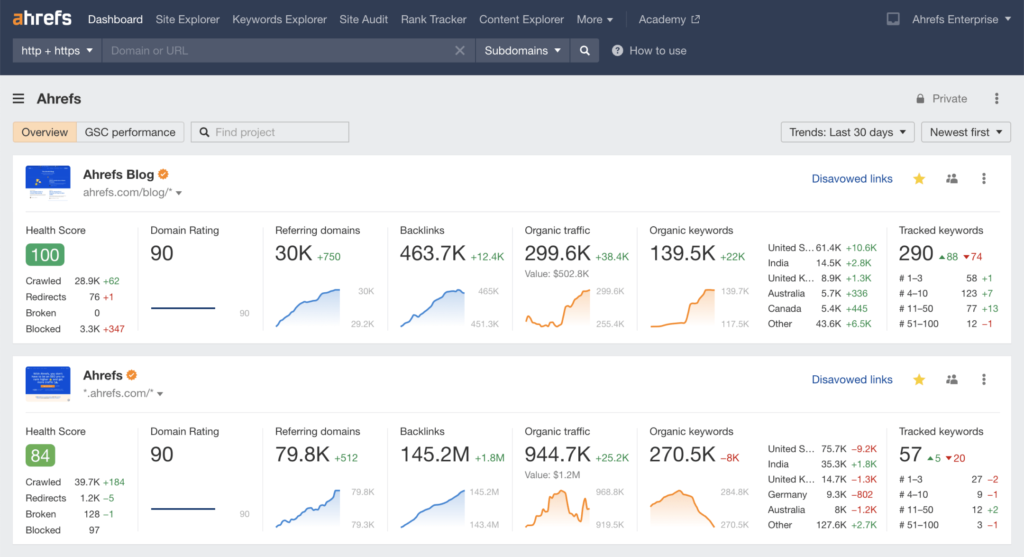
Gather information about your competitors’ marketing strategies, product offerings, and customer feedback. Tools like SEMrush or Ahrefs can provide invaluable insights into competitors’ keywords, traffic sources, and backlinks.
Analyzing Competitor Strategies
Delve deep into competitor strategies by evaluating their market positioning, operational strengths, marketing tactics, and customer feedback. Such an analysis provides clarity on where your offerings can excel and can guide effective positioning strategies.
Actionable Insights from Competitor Analysis
Once data is gathered, translate insights into actionable strategies for innovation, improvement, or differentiation in your business model. Use these insights to align objectives with realistic market scenarios and focus on areas where you can establish competitive advantages.
Types of Competitor Analysis
Understanding the various types of competitor analysis helps tailor your approach for maximum impact. Here are the main types you should know:
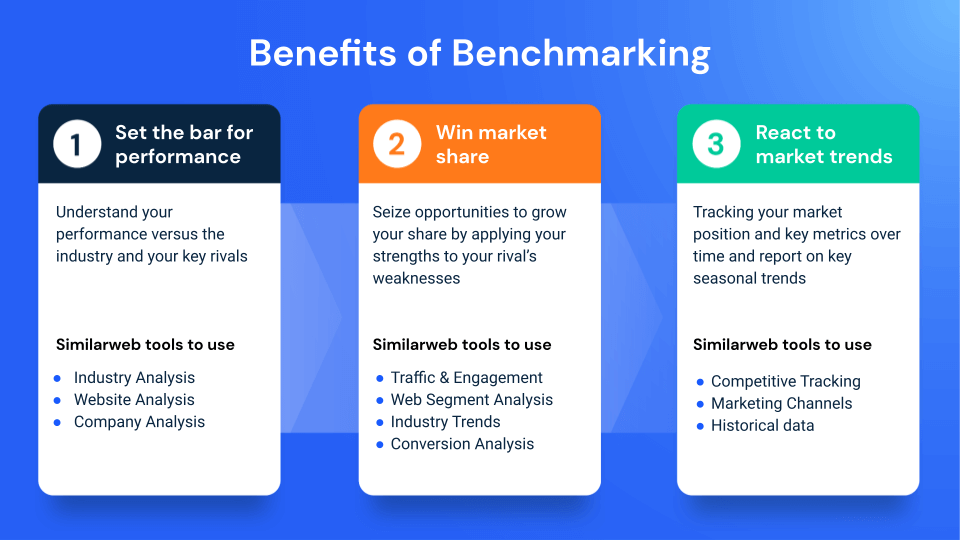
Competitive Benchmarking
This process involves comparing your business operations against industry standards or best practices. It identifies performance gaps and areas for improvement. Benchmarking can help business owners like Samantha Taylor understand where they stand in their industry and identify key areas for enhancement.
Market Position Evaluation
This analysis helps determine your position in the marketplace relative to competitors, offering insights into brand perception, customer reach, and market share. It’s a strategy that small businesses can use to gauge their company’s visibility and influence within their industry.
Common Tools for Competitor Analysis
Selecting the right tools is critical for effective competitor analysis.
Online Analysis Tools
Tools such as SEMrush, Ahrefs, or Moz provide comprehensive insights into competitor SEO performance, backlink strategies, and paid search trends. These platforms are invaluable for gaining an edge in digital marketing.
Mind Your Business Newsletter
Business news shouldn’t put you to sleep. Each week, we deliver the stories you actually need to know—served with a fresh, lively twist that keeps you on your toes. Stay informed, stay relevant, and see how industry insights can propel your bottom line.
Subscribe to Mind Your Business
Free Competitor Tools
Google Trends and Social Mention are excellent resources for identifying trends and tracking brand mentions without financial investment, ideal for small business owners with budget constraints.
Examples of Competitor Analysis
Learning from real-world examples enhances your understanding and implementation of competitor analysis.
Case Study 1: Edelweiss Bakery’s SEO Enhancement
Edelweiss Bakery, a local bakery in Fort Lauderdale, Florida, sought to improve its online visibility and attract more organic traffic. Partnering with the SEO agency “Why SEO Serious,” they conducted a comprehensive competitor analysis focusing on:
- Competitor Research: Identified successful strategies employed by local competitors.
- Link-Building Opportunities: Discovered potential partnerships and backlink sources.
- Website Structure Optimization: Enhanced site navigation and user experience.
- Keyword Research: Targeted keywords that competitors ranked for, aiming to capture similar or improved rankings.
- Technical SEO Audit: Addressed site performance issues to meet or exceed competitor standards.
As a result, Edelweiss Bakery experienced a significant increase in organic search traffic and brand visibility, leading to higher sales and customer engagement.
Here is the full case study: Mr. Phil Tucker
Case Study 2: Moneta Group’s Local SEO Strategy
Moneta Group, a wealth management firm, aimed to improve its visibility in four local markets. Through competitor analysis, they:
- Local SEO Implementation: Built geo-specific web content to capture potential clients in targeted areas.
- Competitive Keyword Gap Analysis: Identified keywords with low competition that competitors overlooked, organizing them into a content calendar.
- Content Optimization: Revamped existing content to align with successful competitor strategies, including backlinking and keyword development.
These efforts led to:
- Over a 23% increase in goal completions tracked via Google Analytics.
- A 326% increase in their organic keyword portfolio.
- A 164% increase in organic keywords ranking in positions 1-3.

Interactive Templates for Competitor Analysis
To assist small business owners like Samantha Taylor, interactive templates such as our Competitor Analysis Worksheet provide structured frameworks to organize research findings effectively and inspire strategic planning.
Wrapping Up Mastering The Competitor Analysis: Strategies, Tools, and Case Studies
Competitor analysis is an indispensable tool for any business aiming to thrive in a competitive arena. Through detailed understanding and strategic implementation, businesses not only benchmark success but also discover areas ripe for innovation and differentiation.
As you chart the ascension of your business, utilizing tools like our Competitor Analysis worksheet can guide your journey toward sustainable growth. Download it today to gain insights, stay ahead of competitors, and elevate your market presence.

FAQs About Competitor Analysis
1. How often should a business conduct competitor analysis?
Regular competitor analysis should be conducted at least twice a year to ensure your strategies remain relevant and competitive amidst market changes.
2. What is the best tool for competitor analysis?
For comprehensive analysis, tools like SEMrush and Moz are favored due to their all-encompassing data analytics capabilities suited for SEO, PPC, and market trends.
3. Can small businesses afford competitor analysis?
Absolutely! With free tools like Google Trends and customized templates, small businesses can efficiently manage and benefit from competitor analysis.
4. What are the common pitfalls to avoid in competitor analysis?
Avoid relying solely on assumptions and ensure your data collection is up-to-date and comprehensive to make informed strategic decisions.
5. How can competitor analysis be incorporated into a marketing strategy?
Insights from competitor analysis can refine marketing strategies by highlighting unique selling propositions, improving customer engagement, and identifying new market opportunities.