In the rapidly evolving world of web development, the decision to switch platforms is never made lightly. For years, my website was built on the MEAN stack—a powerful combination of MongoDB, Express.js, Angular, and Node.js. However, as my business, The Good Fellas Agency, grew and evolved, it became clear that a change was necessary. After careful consideration, I decided to migrate my website to WordPress. Here’s why.
1. Ease of Use
One of the most compelling reasons for the switch was the ease of use that WordPress offers. While the MEAN stack is highly flexible and robust, it requires a significant amount of coding expertise to manage even the most basic of tasks. For a business owner who wears many hats, I needed a platform that would allow me to focus on growing my business rather than getting bogged down in complex code. WordPress, with its user-friendly interface and intuitive content management system, provided exactly that. Tasks that once took hours of coding can now be accomplished in minutes with just a few clicks.
2. Plugins That Just Make Sense
Another major factor in my decision was the vast ecosystem of plugins available on WordPress. While the MEAN stack offers unparalleled customization, it often requires building functionality from scratch. With WordPress, there’s a plugin for almost everything. Need to optimize your SEO? There’s a plugin for that. Want to integrate social media feeds? There’s a plugin for that too. These plugins are often created by top developers and are regularly updated to meet the latest standards. This not only saves time but also ensures that my website is always equipped with the latest features and functionalities.
3. Combined CMO and CMS
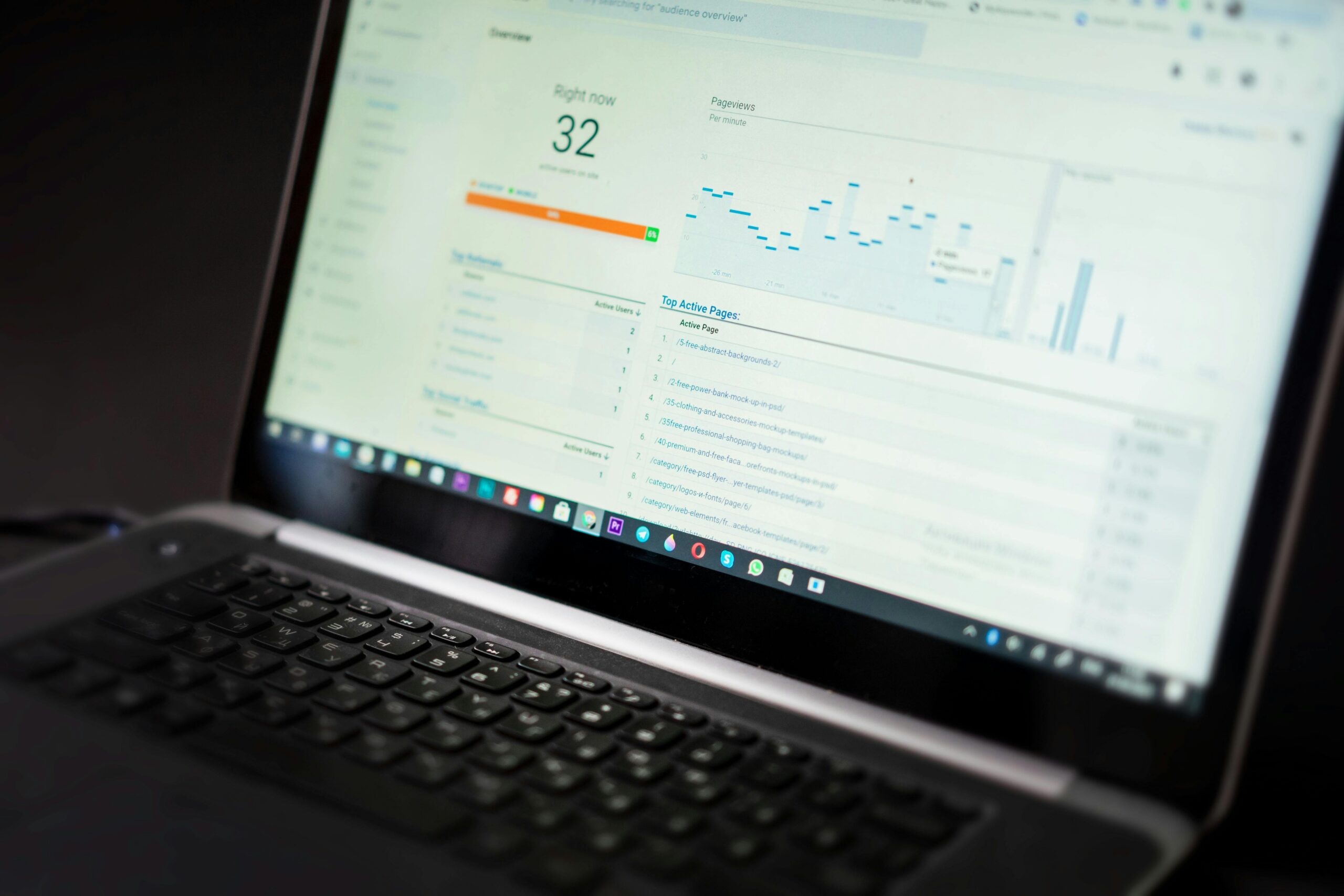
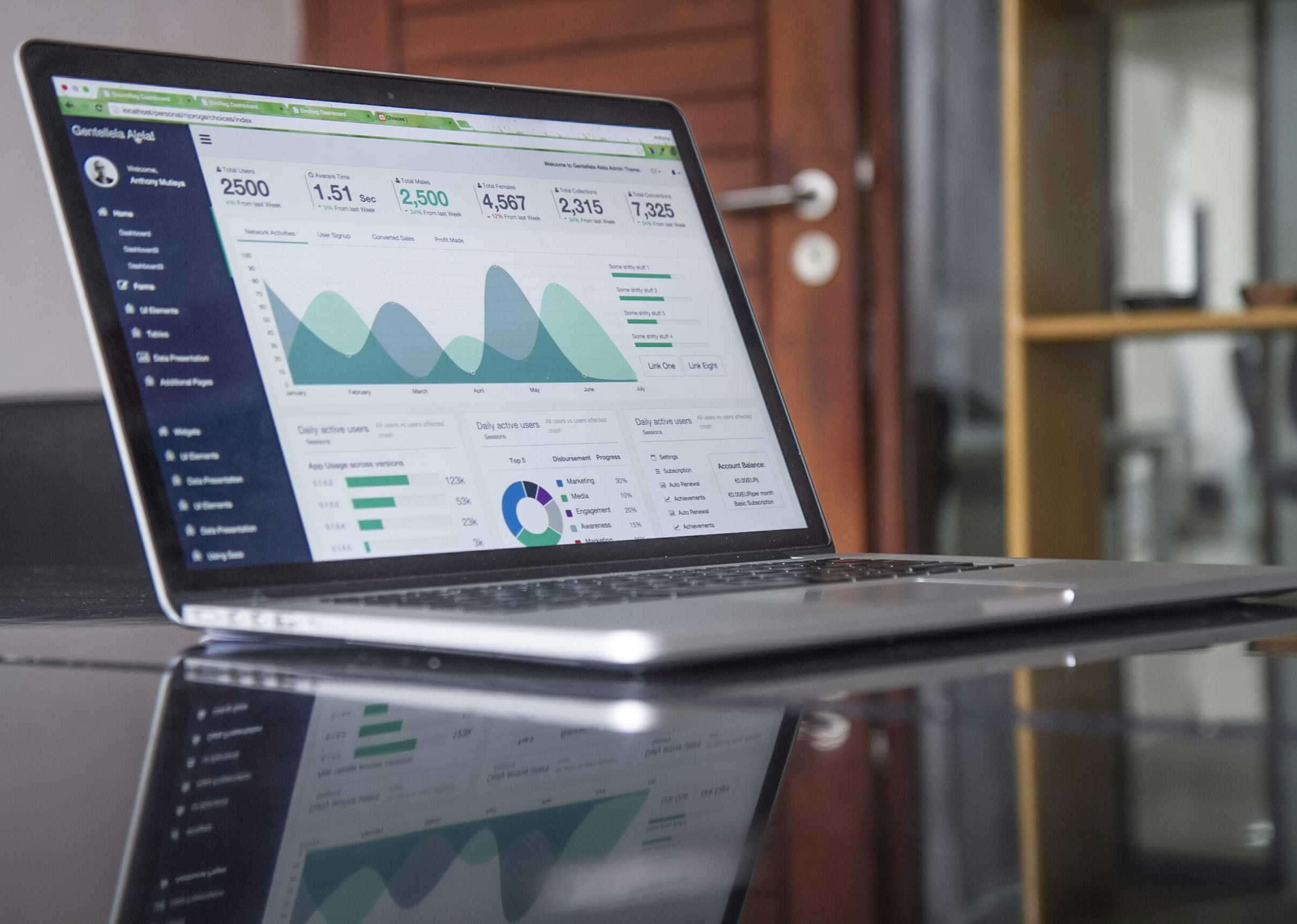
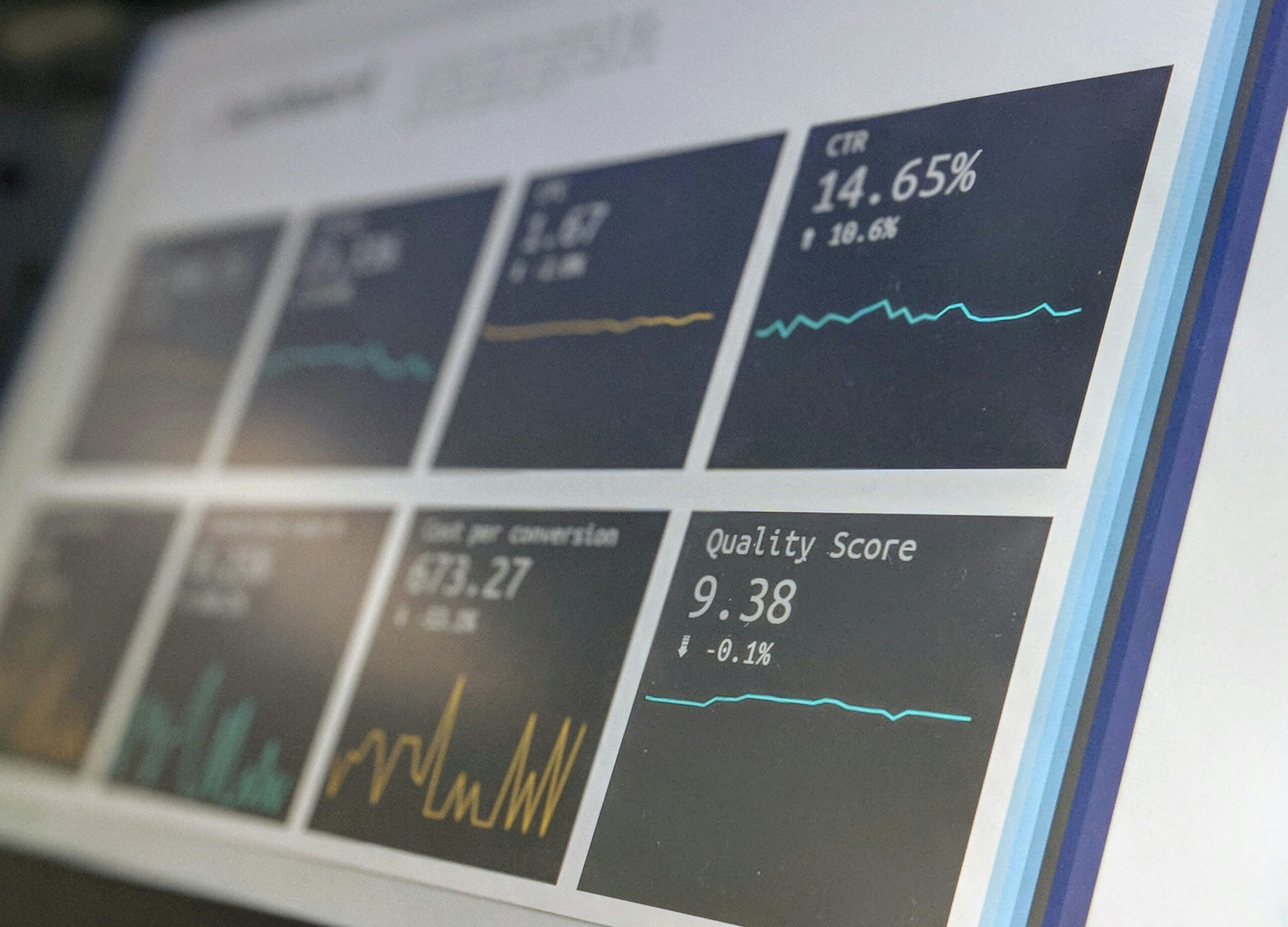
In today’s digital landscape, your website isn’t just a place to showcase your products or services; it’s a critical part of your marketing strategy. WordPress stands out because it serves as both a content management system (CMS) and a comprehensive marketing platform (CMO). With WordPress, I can seamlessly manage content, optimize for search engines, run marketing campaigns, and analyze performance—all from a single dashboard. This integration allows me to keep my business agile and responsive to market trends without needing to juggle multiple tools and platforms.
Mind Your Business Newsletter
Business news shouldn’t put you to sleep. Each week, we deliver the stories you actually need to know—served with a fresh, lively twist that keeps you on your toes. Stay informed, stay relevant, and see how industry insights can propel your bottom line.
Subscribe to Mind Your Business
4. Easier Debugging and Faster Updates
Debugging and updates are essential aspects of maintaining any website. With the MEAN stack, debugging can be a complex process that often involves digging into various layers of the stack. Updates, too, can be time-consuming and sometimes even risky, as they can inadvertently break other parts of the site. WordPress, on the other hand, offers a much more streamlined approach. Its robust community regularly releases updates and patches that can be implemented with a simple click. Additionally, debugging is more straightforward, thanks to a wealth of resources and community support. This ease of maintenance ensures that my website remains up-to-date, secure, and fully functional with minimal downtime.
The Good Fellas Agency: Your Partner in WordPress Success
Switching to WordPress was a strategic move that has allowed me to focus more on what truly matters—delivering value to my clients. As a top-level WordPress theme developer, I understand the intricacies of the platform and how to leverage it to create websites that are not only visually stunning but also highly functional and easy to manage.
At The Good Fellas Agency, we specialize in helping businesses like yours transition to WordPress or enhance their existing WordPress sites. Whether you’re looking to migrate from a platform like the MEAN stack or simply want to take your WordPress site to the next level, we have the expertise to make it happen seamlessly.
Choosing the right platform is crucial for your business’s success, and with WordPress, you’re in good hands. Let us help you unlock the full potential of your website. Contact The Good Fellas Agency today to start your WordPress journey with a team that knows how to make every click count.